

Skills You Need to Thrive in the AI Era

AI is a phenomenon that is shaping workplaces and our everyday lives as we know them. It is essential because, as a future employee looking to experience the job of your dreams or a young specialist navigating the constantly evolving world of business, you need to understand the impact of AI on your life. It is not meant to replace your skills, but rather to augment your competencies. And those who will succeed in this new age will be those who manage to combine the right mix of technical, cognitive, and human-centered skills.
In this article, we talk about the key skills you need to find your way in an AI-dominated society. The focus here is both optimistic and practical, allowing you to start by upskilling and then becoming truly future-ready.
Digital Literacy
Having digital literacy does not mean having the ability to operate a smartphone or a computer and surf online. It means that one should know how to do the following:
- use several digital tools
- analyze information
- navigate the web confidently
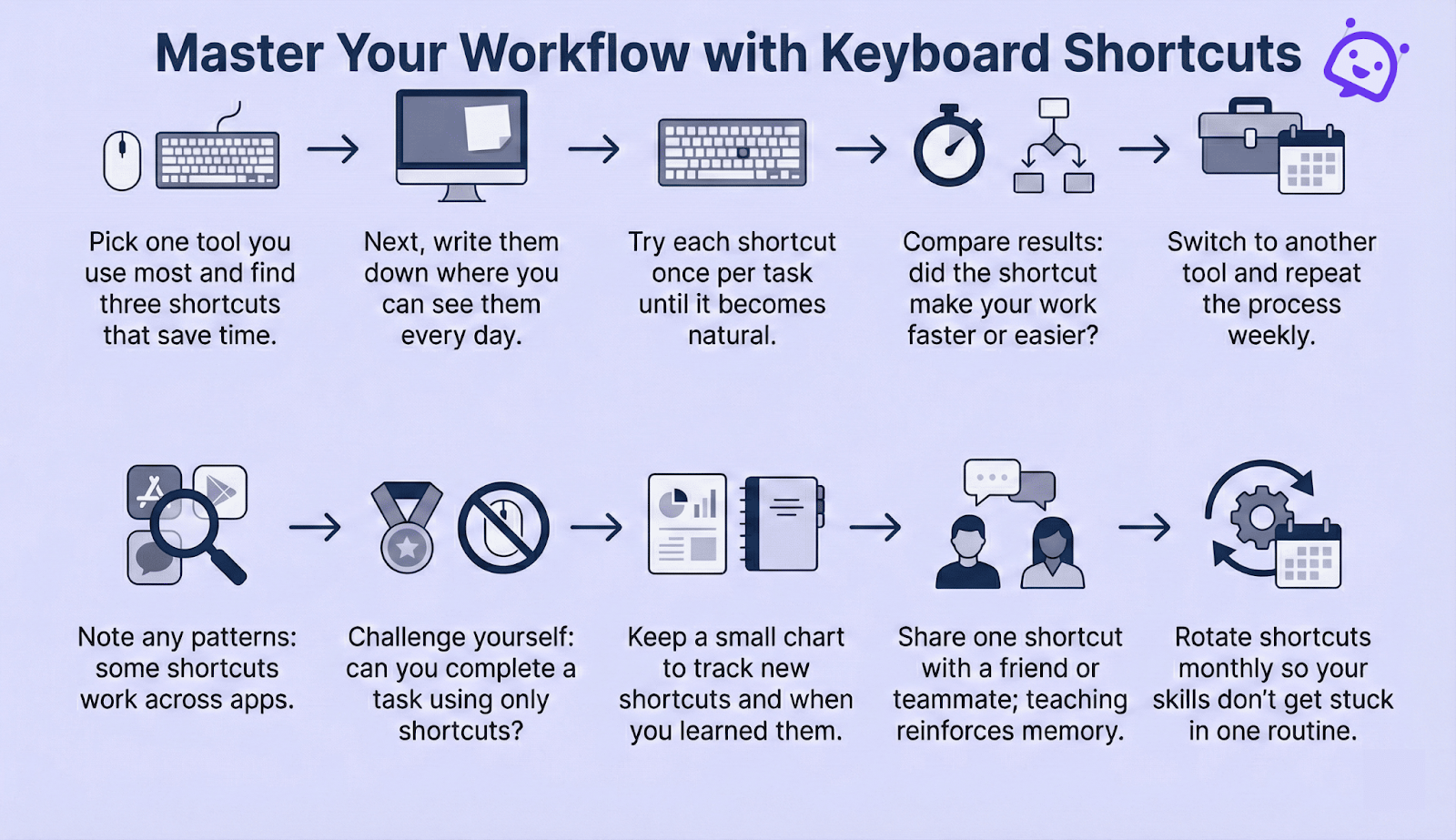
Digitally literate students and young professionals must be familiar with cloud systems, online collaborative tools, and learning systems. They are to know the basics of AI-powered applications, particularly in terms of effective workflow and digital file management. Digital literacy is a pathway to any research, any virtual collaboration, or opportunity in the field of technology. It also enables you to move fast due to the emergence of new tools.
Prompt Engineering
As AI gets embedded in nearly every industry, knowing how to interact with the systems is becoming a must-have skill. This is where prompt engineering is introduced. You don’t need to be a programmer to master it; you just need to know how to be creative and structure your thoughts. Prompt engineering involves writing clear, detailed instructions while making use of context and examples to monitor your output. It also requires turning complex requests into smaller steps.
This is one of the simple AI skills to learn, yet it has a huge impact. Being good at prompts can help you brainstorm, generate concepts, and set up automations. It’s an essential part of the AI skills for studying that students increasingly rely on in their daily learning.
Critical Thinking
AI can process huge amounts of data, but humans still need to interpret, evaluate, and make decisions based on that information. That’s where analytical and critical-thinking skills come in. To thrive in the AI era, students and young professionals must ask the right questions, identify patterns, trends, and gaps in information, and evaluate the accuracy, reliability, and biases in AI outputs.
This will enable them to make logical, well-informed decisions. Even with advanced tools such as an AI homework helper or other student-friendly AI tools, you still need the ability to think for yourself. AI can support learning, but it’s your ability to analyze information that sets you apart and prepares you for complex real-world challenges.
Ethical Decision-Making
AI is a powerful technology to such an extent that it raises ethical concerns regarding privacy, fairness, transparency, and responsible data use. Ethical thinking will also serve you well in ensuring that you do not harm others or overlook important human values in your work environment within the AI-based context. Ethical AI decision-making entails being aware of how AI can support or undermine bias, as well as when human judgment is necessary to counteract automated proposals.
You also have to be accountable for how you use AI in school, work, and personal projects. Students who pursue careers in the following fields will often find themselves in scenarios where they are required to make informed, ethical decisions. Knowing this at an early age will make you an impressive professional and trustworthy.
Adaptability
AI is evolving quickly, and the ability to adapt is one of the most valuable skills you can develop. Adaptability isn’t about predicting every change. It has to do with remaining open, curious, and flexible even when the surroundings change. In order to remain flexible during the AI era, be open to new tools and technologies. Also, explore new learning paths instead of sticking rigidly to old ones, and update your skills regularly.
Embrace continuous learning. People who adapt easily don’t fear change; instead, they leverage it. This mindset will help you remain competitive, even if new job roles, tools, or skill sets emerge unexpectedly.
Creativity
AI may be able to generate content and images but it doesn’t truly create. Creativity remains one of the most powerful human abilities, and its value rises as AI handles more routine tasks.
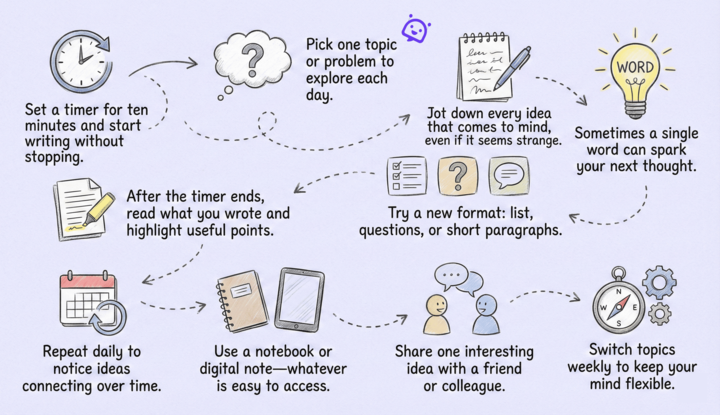
Students and young professionals can cultivate their creativity by practicing brainstorming and design thinking, as well as exploring new hobbies and forms of expression. Innovative thinkers look at AI not as a threat, but as a canvas they can paint on.
Communication Skills
Communication is one of the highest human abilities, even in a society that has intelligent machines. Whether you work in the tech, business, healthcare, or creative industries, you will still need to communicate ideas effectively and possess confidence. Strong communication in the AI era involves breaking down complex issues into simple terms and presenting conclusions supported by AI-generated data.
Also, performing effectively within virtual teams and learning to operate in a multicultural, digital-first environment is key. No matter how advanced technology becomes, people will always need to connect, collaborate, and understand each other.
Data Literacy
AI runs on data. And while not everyone needs to become a data scientist, understanding the basics of how data works is increasingly important. Data literacy means you can read and interpret charts, dashboards, and reports. By understanding basic data terms, you can:
- spot misleading data
- decipher incomplete data
- make decisions supported by evidence
These skills help you stand out in fields ranging from marketing to engineering, and from education to public policy.
How to Start Building These Skills Today
You don’t need expensive courses or advanced degrees to begin preparing for the AI era. Start with small steps:
- Explore everyday AI tools: Try apps that help you schedule tasks, manage notes, or learn new topics.
- Experiment with prompts: Practice giving AI clearer instructions and see how the outputs improve.
- Strengthen your digital habits: Organize files, protect your passwords, and learn keyboard shortcuts.
- Think critically: Look beyond surface information and question assumptions.
- Try simple projects: Build a small website, analyze a dataset, or create digital art with AI support.
- Stay curious: Follow AI trends, join online communities, and learn from peers.
The most important thing is to start where you are and keep moving forward.
Final Thoughts
AI is not here to outshine you; it’s here to empower you. The students and young professionals who thrive will be those who confidently embrace new technologies, cultivate their human strengths, and remain open to continuous learning. By building the skills outlined in this article, you are preparing yourself not just for today’s digital world but for tomorrow’s opportunities. With the right mindset and skill set, the AI era becomes not a challenge, but an incredible advantage. Your potential is limitless; step into the future with enthusiasm, curiosity, and a readiness to learn.